
Low-intensity shockwave therapy improves blood circulation in erectile tissue and addresses the root cause of erectile dysfunction. It is a non-invasive, painless, and safe option that offers long-lasting results after completing the sessions, especially in patients with vascular causes.
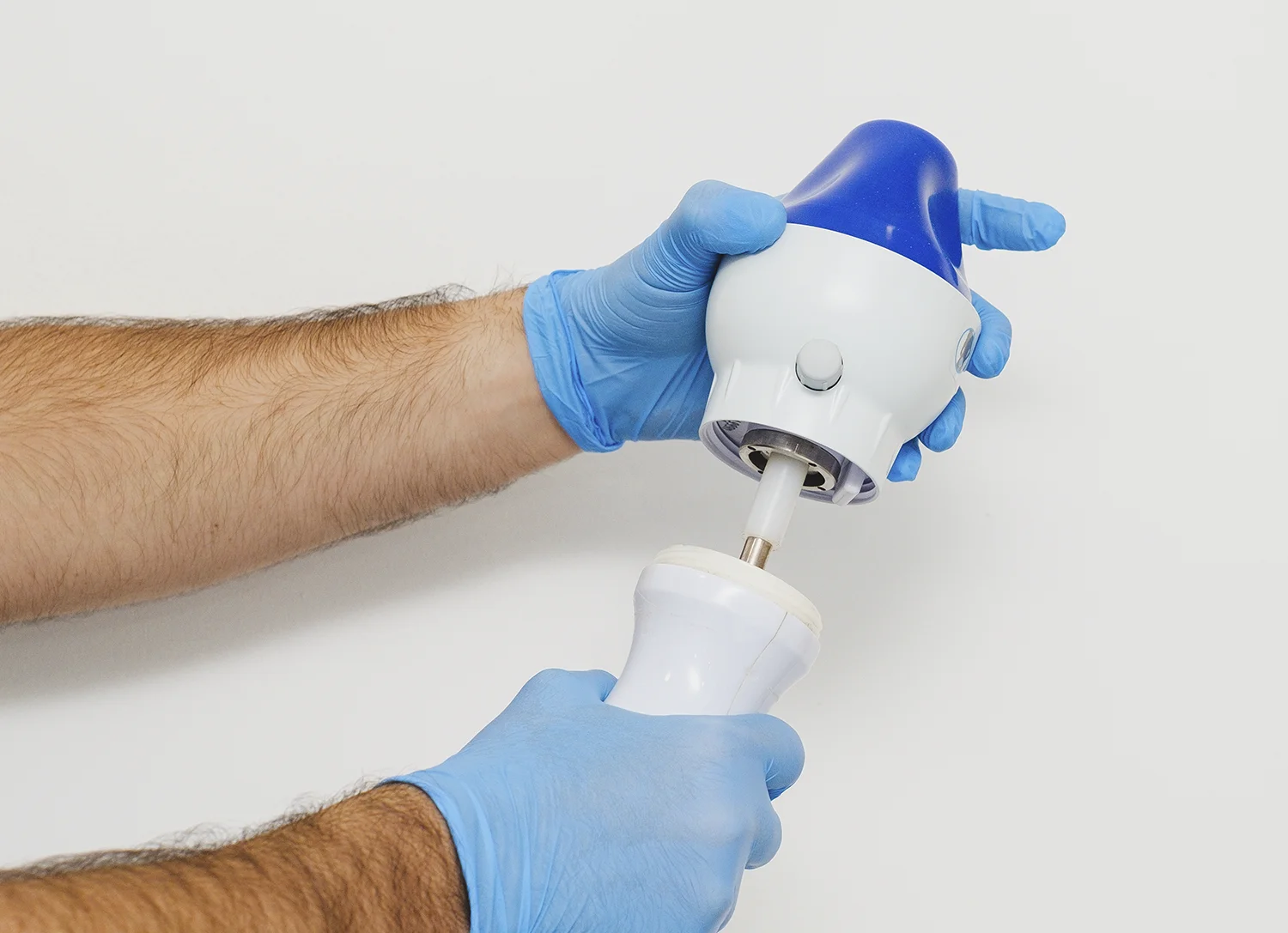
Low-intensity shockwave therapy is a medical technology used to stimulate vascular regeneration in erectile tissue. Unlike other treatments that only address symptoms, this procedure aims to improve blood circulation and promote firmer, more natural erections. It is a non-invasive, painless technique with immediate recovery after each session.
Erectile dysfunction of vascular origin usually occurs when there is an alteration in blood flow to the penis. Factors such as hypertension, diabetes, high cholesterol, obesity, or unhealthy habits can progressively affect the quality of erections. In these cases, shockwave therapy helps stimulate the formation of new blood vessels and improve the vascular response of the erectile tissue.
A specialist's evaluation determines if the patient is a candidate for this therapy and defines the most effective protocol. Its safety, lack of pain, and long-lasting results have made shockwave therapy an increasingly popular alternative in the treatment of vascular erectile dysfunction.
Erectile dysfunction can be related to circulatory problems that make it difficult to achieve or maintain an erection. Identifying these factors allows for a more precise and personalized approach.
The treatment is tailored to each patient through comfortable outpatient sessions that require no anesthesia. The goal is to improve blood flow to the erectile tissue and gradually restore erectile function.
Shock waves are applied directly to the penis and the base of the corpora cavernosa using a specialized device. The procedure is brief, painless, and requires no anesthesia or prior preparation, allowing the patient to resume normal activities immediately after each session.
The treatment is usually carried out in a cycle of five to six sessions, generally once a week. This progressive approach allows for continuous stimulation of vascular regeneration and optimizes the improvement of erectile function in the medium term.
Low-intensity shockwave therapy promotes the formation of new blood vessels and improves vascular relaxation in erectile tissue. Its non-invasive nature, lack of pain, and high tolerability make this therapy a comfortable and safe option for many patients.
Everything you need to know about shockwave therapy for erectile dysfunction
It is primarily indicated for men with erectile dysfunction of vascular origin related to blood circulation disorders.
No. It is a well-tolerated, non-invasive treatment that requires no anesthesia or recovery time after each session.
Typically, five to six weekly sessions are conducted to achieve a better, progressive therapeutic response.
Yes. By addressing the vascular cause of the problem, the effects can last after completing treatment in many patients.